
CATALAN FOOD
Truita de botifarra d’ou
Truita de Dijous Gras, or truita de botifarra d’ou is a traditional Catalan omelet eaten on Dijous Gras (Fat Thursday), which marks the beginning of Carnestoltes (Carnival)—a day known for hearty, indulgent foods before the restrictions of Lent.
20 minutes by Anthony Hadley
20 minutes
by Anthony Hadley

Catalonia is a quirky little country, and as such, it has some quirky little traditions—like burying a sardine before Lent and unearthing it afterward. I also find it interesting that Catalans, like the rest of Spain, celebrate Dijous Gras (Fat Thursday) instead of Mardi Gras (Fat Tuesday) like the French.
But I do love the traditions surrounding Carnestoltes (Carnival) and Quaresma (Lent), especially when it comes to the food.
Dijous Gras marks the beginning of Carnestoltes, and it’s all about indulgence. The star dish of the day? Truita de botifarra d’ou—a thick, flavorful omelet made with botifarra d’ou, a sausage that blends pork and eggs for a rich, satisfying bite.

Botifarra d’ou with fesols
What is botifarra d’ou?
Botifarra d’ou is a traditional Catalan sausage made with pork and eggs, giving it a distinct yellowish color and a rich, creamy texture. It is a key ingredient in many Dijous Gras dishes, particularly in the truita de botifarra d’ou.
This sausage is part of the botifarra family, which includes various types of Catalan sausages, but it stands out because of its high egg content. The eggs not only give it color but also make it softer and slightly more delicate in texture compared to other cooked botifarras.
Typically, botifarra d’ou is boiled and eaten cold, sliced as a snack, or incorporated into dishes like omelets. It has a mild, slightly salty flavor, making it a versatile ingredient in Catalan cuisine.
Because it is strongly associated with Carnestoltes and the Dijous Gras feast, it is especially common in Catalan butcher shops around this time of year, though it can often be found year-round.

Truita de botifarra d’ou before slicing
The origin of the truita de botifarra d’ou
The truita de botifarra d’ou has its roots in Catalonia’s centuries-old Carnestoltes (Carnival) traditions, specifically linked to Dijous Gras (Fat Thursday)—the day that marks the start of the pre-Lenten feasting.
This omelet reflects the historical necessity to consume perishable, protein-rich ingredients like eggs and pork before the fasting period of Lent. In traditional Catalan society, where food preservation was a major concern, Carnival was a time to use up fresh eggs and meat products before the stricter dietary restrictions of the Christian calendar took effect.
The botifarra d’ou itself is thought to have emerged as a way to create a richer, more nourishing sausage by adding eggs to the classic botifarra blanca, a white sausage made of pork. This innovation likely dates back to at least the Middle Ages, when charcuterie-making was already a well-developed craft in Catalonia.
At some point, this egg-rich sausage was naturally incorporated into an omelet (truita)—a simple yet hearty dish that makes use of readily available ingredients. The truita de botifarra d’ou became a staple of Dijous Gras feasting, alongside other fatty, protein-packed dishes like coca de llardons (a flaky pastry with pork cracklings) and carn d’olla (boiled meats from escudella stew).
Over time, the dish solidified its place in Catalan culinary tradition, and today it remains one of the most emblematic foods eaten on Dijous Gras, signaling the beginning of Carnival celebrations with a rich, comforting bite.

Truita de botifarra d’ou served with pa amb tomàquet
My truita de botifarra d’ou recipe
There are many variations of this dish. Some people make an open omelet and simply place the botifarra d’ou on top. Some add fesols (white beans).
For my version, I omitted the beans and made it much like a truita de patates—or as most of you know it, a Spanish omelet. I chopped the botifarra into bite-sized pieces, sautéed it, and then added it to beaten eggs. A bit of oil kept it from sticking as I cooked it the traditional way—flipping it with a plate before returning it to the pan.
If you’re in the U.S. and can’t find botifarra d’ou, don’t worry! A mild breakfast sausage or a soft, lightly seasoned pork sausage works well. Bratwurst, bockwurst, or a simple country sausage can be good substitutes—just avoid anything overly spiced. For a more authentic texture, try adding an extra egg to the mixture before cooking.
I generally like my Spanish-style omelets a bit runny in the center, but this one ended up fully cooked. Still, it was delicious.
Traditionally, truita de botifarra d’ou is served with coca de llardons, but that felt too heavy today since I’m eating alone. Instead, I paired it with something equally traditional: pa amb tomàquet on pa de vidre—an ultra-thin, crisp Catalan bread with a glass-like crust and an airy interior.
You can use any good-quality bread, but please, do not purée the tomato—find the ripest ones you can and rub them onto toasted bread like we do here in Catalonia, per l’amor de Déu!
Ready to give it a go yourself? Keep reading for the full list of ingredients and step-by-step instructions.

About me
Soc l’Anthony, el ianqui famolenc!
I’m a small-town boy from California living the big-city life in Barcelona since 2006. Join me and my furry sidekick, Mimosa, as I dish up home-cooked meals from both my homeland, the US, and my adoptive land, Catalonia.
Bon profit! 🥘🍷
Buy me a glass of sangria! 🍷
Click below if you’d like to help keep this project going. Moltes gràcies! 🤗

View more categories
Ingredients to make truita de botifarra d’ou
For 2 people
- 6 large eggs
- 1 botifarra d’ou (about 200g), diced into bite-sized pieces
- 2 tbsp olive oil
- (Optional) ½ cup cooked white beans (fesols or cannellini beans)
- Salt and black pepper to taste
How to make truita de botifarra d’ou
Prepare the sausage: Heat 1 tablespoon of olive oil in a nonstick or well-seasoned pan over medium heat. Peel the casing off the sausage. Add the diced botifarra d’ou and sauté for 2–3 minutes until lightly golden. If using white beans, add them now and cook for another minute to warm them through. Remove from the pan and set aside.
Beat the eggs: In a large bowl, beat the eggs with a pinch of salt and black pepper. Stir in the cooked sausage (and beans, if using).
Cook the omelet: Add the remaining tablespoon of olive oil to the pan over medium-low heat. Pour in the egg mixture, spreading it evenly. Let it cook undisturbed for 4–5 minutes, until the edges start to set but the center is still slightly runny.
Flip the omelet: Place a large plate over the pan, carefully flip the omelet onto the plate, and then slide it back into the pan to cook for another 2–3 minutes, or until done to your liking.
5.
Serve: Let it rest for a minute before slicing. Traditionally, it’s served at room temperature with pa amb tomàquet or coca de llardons.
Bon profit!
Buy me a glass of sangria! 🍷
You can contribute to this project by clicking the button below. Moltes gràcies!🤗
Other recipes you might enjoy…
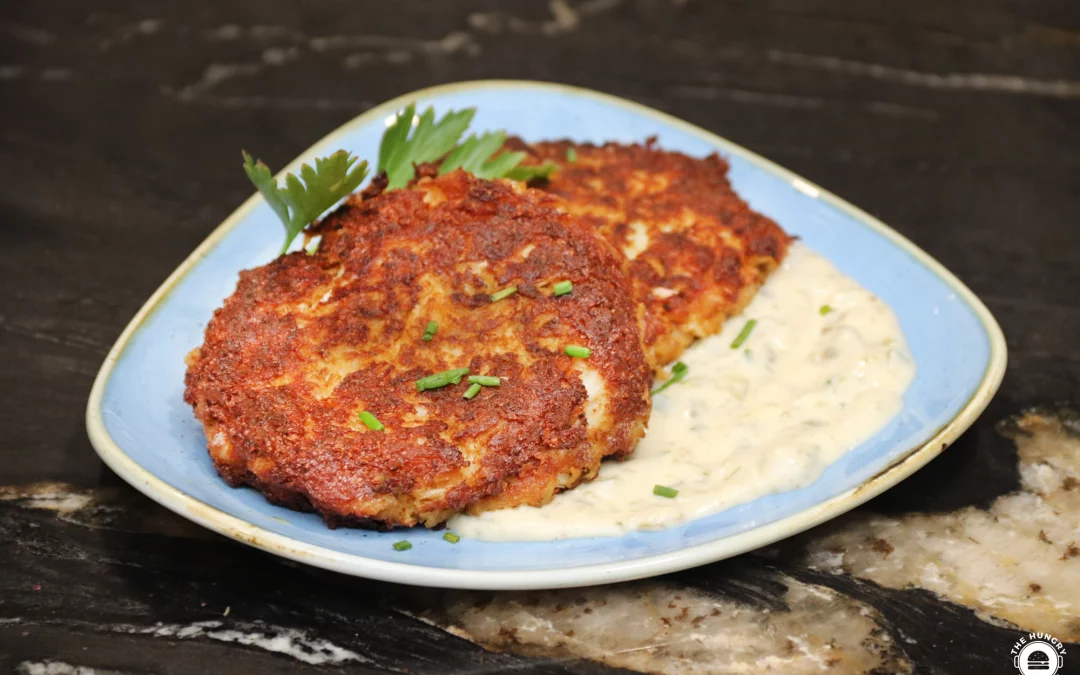
Crab cakes
AMERICAN FOODCrab cakes are flavorful seafood patties made from tender crab meat, breadcrumbs, and seasonings, typically fried or baked to golden perfection. Known for their rich, sweet taste, they are often served with tartar sauce or lemon, making them a bright...
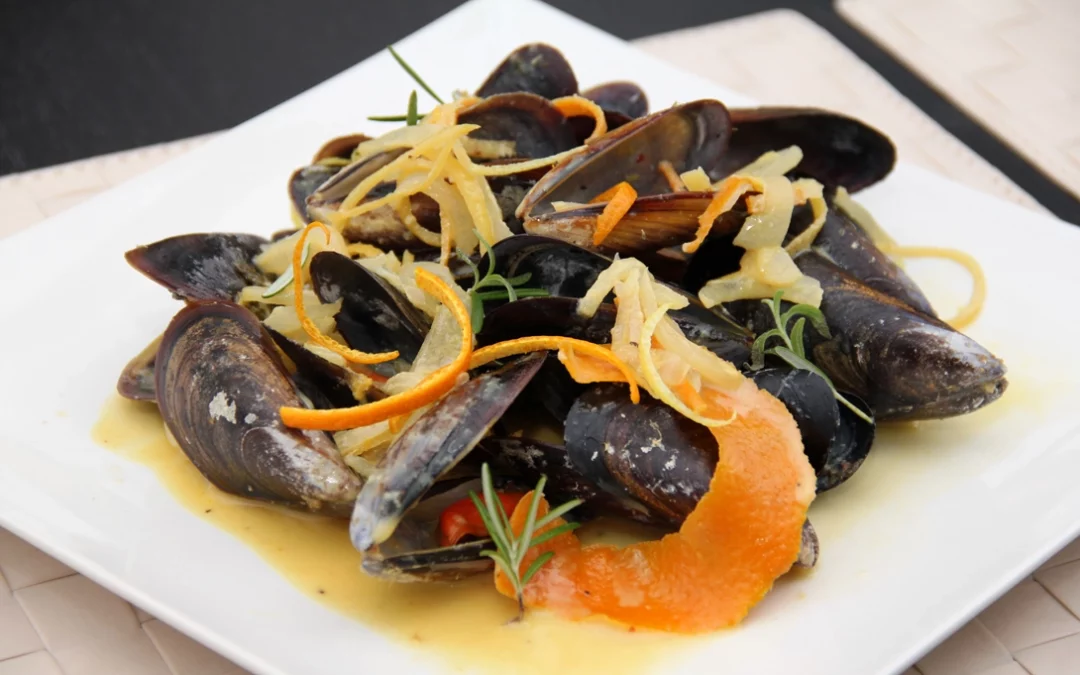
Musclos als cítrics
CATALAN FOODMussels in a citrus and rosemary sauce bring together the saltiness of the sea with the bright, sun-kissed flavors of the Mediterranean. This simple yet elegant dish highlights Catalonia’s love for fresh seafood and aromatic wild herbs, creating a perfect...

Clam chowder
AMERICAN FOODA New England favorite, clam chowder is a rich and comforting soup that combines tender clams, creamy potatoes, and a savory broth infused with the briny essence of the sea. Served in a warm bread bowl or paired with crunchy crackers, it’s the perfect...
About me
Soc l’Anthony, el ianqui famolenc! I’m a small-town boy from California living the big-city life in Barcelona since 2006. Join me and my furry sidekick, Mimosa, as I dish up home-cooked meals from both my homeland, the US, and my adoptive land, Catalonia. Bon profit! 🥘🍷